
• Home
  • About
  • Blog
  • Training
  • Books
  • Contact
    • Email
    • Facebook
    • Twitter
    • RSS

Practical 365

  • Office 365
  • Exchange 2019
  • Exchange 2016
  • Exchange 2013
  • Hybrid
  • Certificates
  • PowerShell
  • Migration

June 2018 Updates Released for Exchange Server

June 20, 2018 by Paul Cunningham 12 Comments

June 2018 Updates Released for Exchange Server

Microsoft has released new cumulative updates for Exchange Server 2016, Exchange Server 2013, and Exchange Server 2010 SP3 in June 2018.

49 Shares

Blog Cumulative Updates, Exchange 2010, Exchange 2013, Exchange 2016, Security Updates, Update Rollups

March 2018 Updates Released for Exchange Server

March 21, 2018 by Paul Cunningham 4 Comments

March 2018 Updates Released for Exchange Server

Microsoft has released new cumulative updates for Exchange Server 2016, 2013, and 2010 in March 2018.

39 Shares

Exchange Server Cumulative Updates, Exchange 2010, Exchange 2013, Exchange 2016, Exchange Server, TLS, Update Rollups

FAQ: In What Order Should You Install Service Packs, Update Rollups, and Cumulative Updates?

August 15, 2016 by Paul Cunningham 28 Comments

FAQ: In What Order Should You Install Service Packs, Update Rollups, and Cumulative Updates?

Which order should you install Exchange Server cumulative updates, service packs, and cumulative updates in?

0 Shares

Exchange Server Cumulative Updates, Exchange 2010, Exchange 2013, Exchange 2016, Service Packs, Update Rollups

Exchange Server 2010 Service Pack 3 Update Rollup 14

June 22, 2016 by Paul Cunningham 17 Comments

Exchange Server 2010 Service Pack 3 Update Rollup 14

Exchange Server 2010 SP3 update rollup 14 has been released as MS16-079 and includes an Important security fix.

0 Shares

Blog Exchange 2010, Update Rollups

Using Activation Policies to Prevent Database Copies Mounting in Other Sites

June 16, 2016 by Paul Cunningham 23 Comments

Using Activation Policies to Prevent Database Copies Mounting in Other Sites

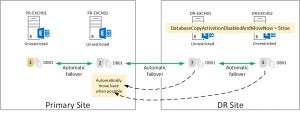
How to use activation policies for Exchange Server database availability groups to control where database copies can automatically mount.

3 Shares

Exchange Server DAG, Database Availability Group, Exchange 2010, Exchange 2013, Exchange 2016, Exchange Server, Site Resilience

Rebuilding Content Indexes for Exchange Databases

April 20, 2016 by Paul Cunningham 8 Comments

Rebuilding Content Indexes for Exchange Databases

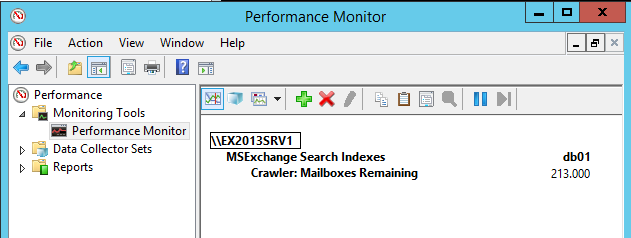
How to start and monitor the repair of a failed content index for an Exchange Server mailbox database.

0 Shares

Exchange Server Content Index, Exchange 2010, Exchange 2013, Exchange 2016, Exchange Server, Mailbox Database

Exchange Best Practices: Datacenter Activation Coordination Mode

March 31, 2016 by Paul Cunningham 26 Comments

Exchange Best Practices: Datacenter Activation Coordination Mode

It is recommended to enable Datacenter Activation Coordination (DAC) mode for Exchange database availability groups that meet the criteria.

0 Shares

Exchange Server Best Practices, DAGs, Database Availability Group, Exchange 2010, Exchange 2013, Exchange 2016, HA, High Availability, Site Resilience

Using Exchange Transport Rules to Add Email Signatures to Messages

February 17, 2016 by Paul Cunningham 21 Comments

Using Exchange Transport Rules to Add Email Signatures to Messages

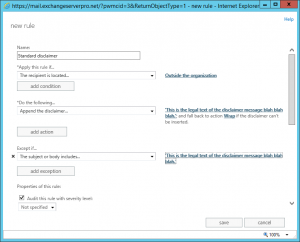
Why using transport rules for email signatures and disclaimers may not give you the results you’re hoping for.

4 Shares

Exchange Server Disclaimers, Exchange 2010, Exchange 2013, Exchange 2016, Signatures, Transport Rules

Adding New Email Addresses for Multiple Mailbox Users

February 10, 2016 by Paul Cunningham 13 Comments

Adding New Email Addresses for Multiple Mailbox Users

This article covers the various methods that can be used to manage email addresses for multiple users in Exchange Server and Office 365.

1 Shares

Exchange Server Exchange 2010, Exchange 2013, Exchange 2016, Exchange Online, Office 365, PowerShell, Recipients

Exchange Best Practices: Mailbox Storage Quotas

February 9, 2016 by Paul Cunningham 1 Comment

Exchange Best Practices: Mailbox Storage Quotas

Applying storage quotas to Exchange Server mailboxes is a best practice, to avoid capacity, performance, and manageability problems.

0 Shares

Exchange Server Best Practices, Exchange 2010, Exchange 2013, Exchange 2016, Storage Quotas

  • 1
  • 2
  • 3
  • …
  • 46
  • Next Page »

Recent Articles

  • New Microsoft 365 role and certification: Enterprise Architect
  • Access Reviews for Azure AD/Office 365 Admin Roles
  • New Azure Certifications announced at Ignite 2018
  • Steve & Sigi on Exchange 2019 announcements at Ignite
  • My Ignite 2018 Recap
Practical 365

Popular Articles

Deploying the Microsoft Teams Desktop ClientDeploying the Microsoft Teams Desktop Client
Microsoft Is Changing How They Publish Office 365 IP Addresses and Urls for Firewall and Proxy AccessMicrosoft Is Changing How They Publish Office 365 IP Addresses and Urls for Firewall and Proxy Access
Automated Software License Expiration Notifications Using Microsoft FlowAutomated Software License Expiration Notifications Using Microsoft Flow
New Azure Active Directory Conditional Access Device Conditions for Device StateNew Azure Active Directory Conditional Access Device Conditions for Device State
Managing Change in Office 365Managing Change in Office 365

Training Courses

  • Configuring and Managing Office 365 Security
  • Office 365 Admin Playbook
  • Exchange 2016 Exam 70-345
  • Managing Exchange Mailboxes and Distribution Groups in PowerShell
  • More Training Courses...

Recommended Resources

  • Office 365 Security Resources
  • Office 365 Books
  • Exchange Server Books
  • Exchange Server Migrations
  • Exchange Analyzer
  • Digicert SSL Certificates

About This Site

Practical 365 is a leading site for Office 365 and Exchange Server news, tips and tutorials. Read more...
  • Email
  • Facebook
  • Twitter
  • RSS

Copyright © 2018 Quadrotech Solutions AG · Disclosure · Privacy Policy
Alpenstrasse 15, 6304 Zug, Switzerland

We are an Authorized DigiCert™ SSL Partner.